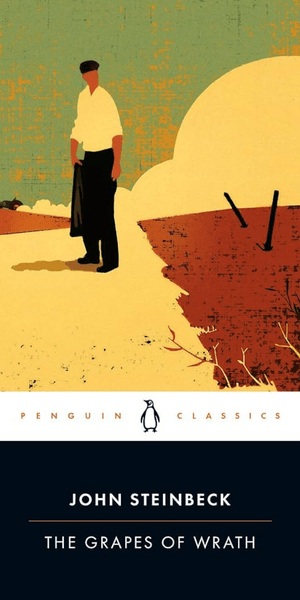
John Steinbeck’s classic novel, “The Grapes of Wrath,” stands as a poignant exploration of human endurance and the indomitable spirit in the face of adversity. Published in 1939, the novel remains a timeless work that delves into the harsh realities of the Great Depression and the Dust Bowl, painting a vivid picture of the American experience during one of its most challenging periods.
Body:
Setting the Stage: Steinbeck sets the stage with a vivid portrayal of the Joad family, Oklahoma sharecroppers forced off their land due to economic hardships. As they embark on a journey to California in search of a better life, the novel unfolds as a powerful commentary on social injustice and economic inequality.
Symbolism of the Grapes:
The title “The Grapes of Wrath” draws its inspiration from “The Battle Hymn of the Republic,” a song associated with the American Civil War. In the lyrics, the phrase “Mine eyes have seen the glory of the coming of the Lord; He is trampling out the vintage where the grapes of wrath are stored” conveys a sense of divine retribution and justice. John Steinbeck cleverly adopts this metaphor to represent the collective anger and indignation of the disenfranchised during the Great Depression. The grapes symbolize the collective rage of the oppressed against the societal injustices they face. By invoking this biblical imagery, Steinbeck emphasizes the urgent need for social change and justice, suggesting that the wrath of the marginalized may eventually bring about a reckoning and transformation in society.
The Dust Bowl and Environmental Despair:
The Dust Bowl, a period of severe dust storms and ecological disaster in the Great Plains during the 1930s, serves as a relentless antagonist in “The Grapes of Wrath.” Steinbeck uses this environmental crisis as a backdrop to accentuate the economic struggles of the characters. His vivid descriptions of desolate landscapes, swirling dust clouds, and barren fields create a palpable sense of environmental despair. The once-fertile land becomes a barren wasteland, mirroring the desolation and hopelessness experienced by the Joad family and countless others during this challenging period. Steinbeck’s portrayal of the Dust Bowl underscores the environmental impact on the human condition. Families like the Joads, already grappling with economic hardship, find themselves further oppressed by the ecological devastation. The inhospitable environment becomes a powerful symbol of the harsh realities faced by those seeking refuge and a better life. Through this, Steinbeck prompts readers to reflect on the interconnectedness of human existence with the environment and how environmental crises can exacerbate societal challenges, especially for the most vulnerable.
In essence, the symbolism of the grapes and the portrayal of the Dust Bowl in “The Grapes of Wrath” enrich the narrative, providing layers of meaning that extend beyond the immediate struggles of the characters. They serve as powerful literary devices, inviting readers to contemplate broader themes of justice, resilience, and the intricate relationship between humanity and the natural world.
Characters and Human Resilience: The characters in “The Grapes of Wrath” are multi-dimensional and relatable, each representing a facet of the human experience. Tom Joad, the protagonist, evolves from a disillusioned young man into a symbol of resistance, embodying the resilience of the human spirit.
Social Injustice and Exploitation: The novel sheds light on the exploitation of migrant workers and the harsh working conditions they face in California. Through the Joads’ struggles, Steinbeck critiques the societal structures that perpetuate inequality and highlights the importance of empathy and solidarity.
Impact and Legacy: “The Grapes of Wrath” received critical acclaim upon its release, winning the Pulitzer Prize for Fiction in 1940. Its enduring impact lies in its ability to resonate with readers across generations, prompting reflection on societal issues and inspiring discussions about the pursuit of justice and equality.
In conclusion, “The Grapes of Wrath” remains a literary masterpiece that transcends its historical context, offering timeless insights into the human experience. Steinbeck’s exploration of social injustice, environmental challenges, and the resilience of the human spirit continues to captivate readers, making this novel a must-read for those seeking a deeper understanding of the complexities of the American narrative.
 Articles