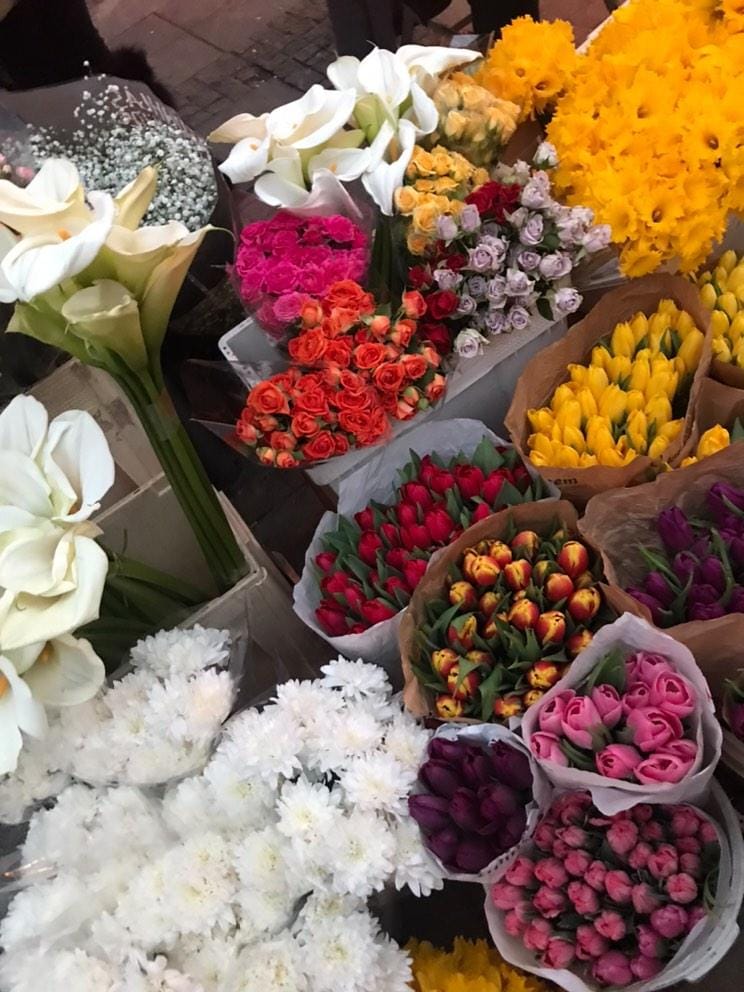
March 2023 marked a chapter in my life filled with wanderlust, exploration, and the joy of immersing myself in the diverse cultures of the Balkans. Embarking on a journey through Serbia, Bosnia, Montenegro, Macedonia, Albania, and Kosovo, I discovered the unique charm each country had to offer.
Serbia: Where History Speaks Through Stone Streets
My journey began in Serbia, a land where history whispers through the cobbled streets of Belgrade. From the ancient fortress of Kalemegdan to the vibrant bohemian quarter of Skadarlija, every corner echoed with tales of resilience and the fusion of East and West.
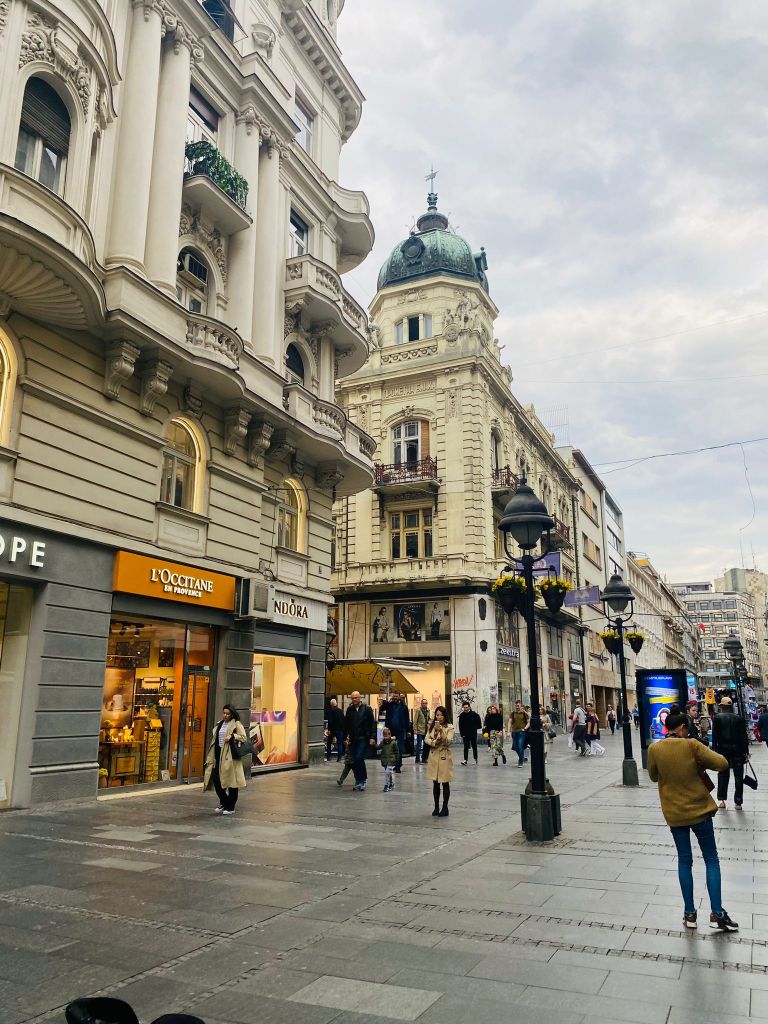
Echoes of Empires and Resilience
Serbia, with its capital in Belgrade, boasts a history as rich and diverse as its landscapes. The region has witnessed the rise and fall of empires, from the Byzantine and Ottoman periods to the Habsburg influence. The medieval Serbian Empire left an indelible mark, notably during the rule of Stefan Dusan. However, the Battle of Kosovo in 1389, against the Ottoman Empire, is a poignant moment symbolizing Serbian resilience. In the 20th century, Serbia was a core part of the former Yugoslavia before gaining independence in 2006.
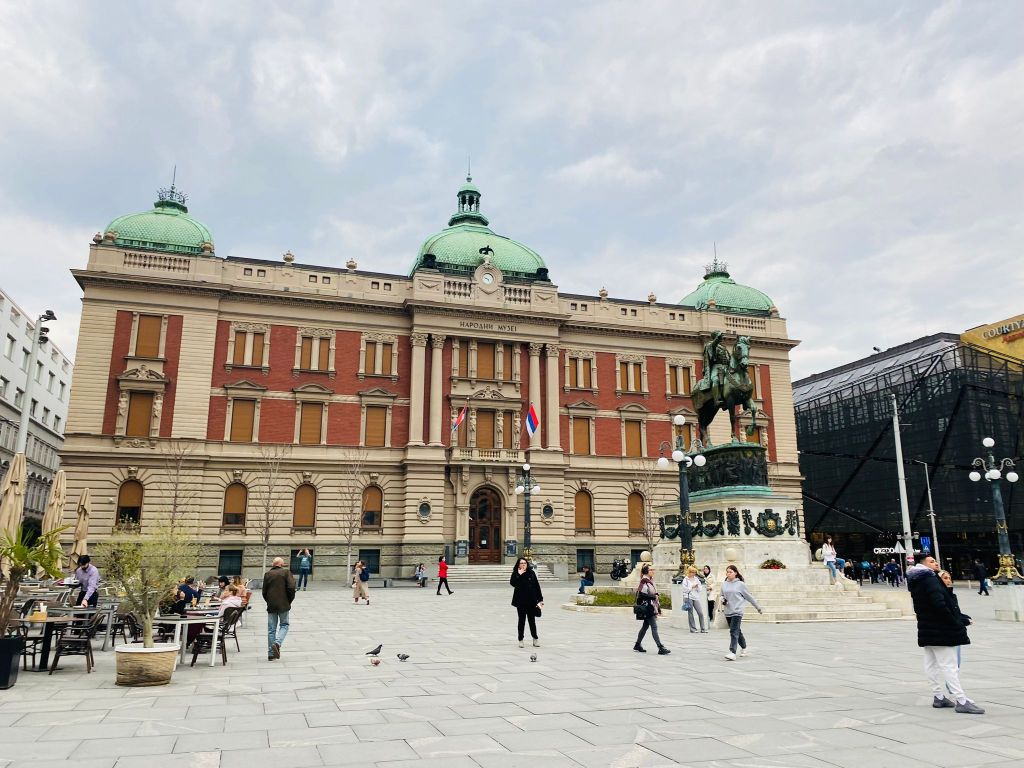
Bosnia: Sarajevo’s Resilience and Mostar’s Stari Most
As I ventured into Bosnia, the spirit of Sarajevo’s resilience captivated my heart. The echoes of history, from the scars of war to the lively Bascarsija Market, were powerful reminders of the city’s endurance. Further south, Mostar’s Stari Most bridge stood as a symbol of unity and strength, gracefully spanning the Neretva River.
Bridging East and West Through Turbulent Times
Bosnia and Herzegovina, with Sarajevo as its capital, is a land of contrasts and cultural convergence. Historically, it served as a bridge between the East and West, evident in its mix of Ottoman and Austro-Hungarian influences. The assassination of Archduke Franz Ferdinand in Sarajevo triggered World War I. The 1990s brought the devastating Bosnian War, leaving scars on the nation’s history. The resilience of Sarajevo and the iconic Stari Most in Mostar stand as symbols of recovery and unity.
Montenegro: A Tapestry of Mountains and Coastlines
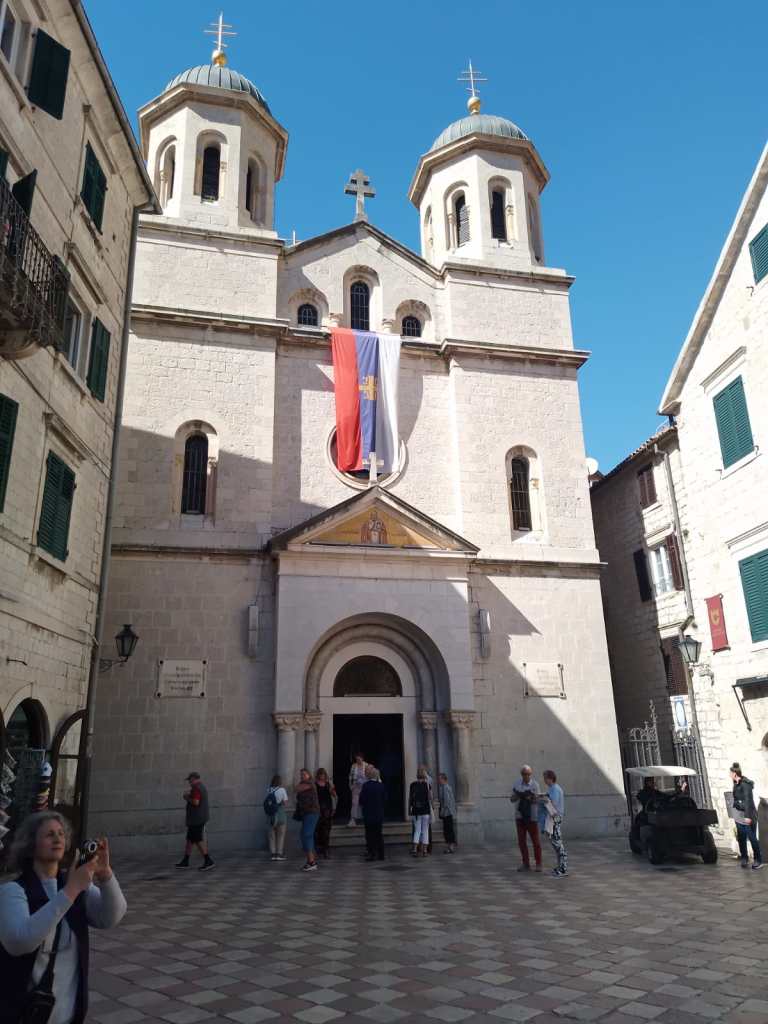
Montenegro unfolded before me like a tapestry of natural wonders. The Bay of Kotor, nestled between towering mountains, presented breathtaking views at every turn. Exploring the coastal town of Budva and the pristine waters of Lake Skadar left me with memories of serene landscapes and warm hospitality.
Mountains, Monasteries, and Maritime Heritage
Montenegro, nestled along the Adriatic coast, has a history intertwined with its stunning landscapes. The medieval Principality of Zeta laid the foundation, and the Crnojevic dynasty fostered cultural and artistic achievements. Montenegro’s maritime heritage flourished in the city of Kotor, a UNESCO World Heritage site. Throughout the centuries, Montenegro navigated its independence, alliances, and, eventually, joined the Kingdom of Yugoslavia. The dissolution of Yugoslavia led to its independence in 2006.
Macedonia: Skopje’s Kaleidoscope and Ohrid’s Tranquility
From Antiquity to Independence
North Macedonia, with Skopje as its capital, is a cradle of ancient civilizations. In antiquity, it was part of the Roman and Byzantine Empires, later falling under Ottoman rule. The city of Ohrid, a UNESCO World Heritage site, boasts a history dating back to the 4th century BC. The modern era saw Macedonia as part of Yugoslavia, gaining independence in 1991. The country, with its diverse ethnic heritage, has worked towards building a unique national identity.
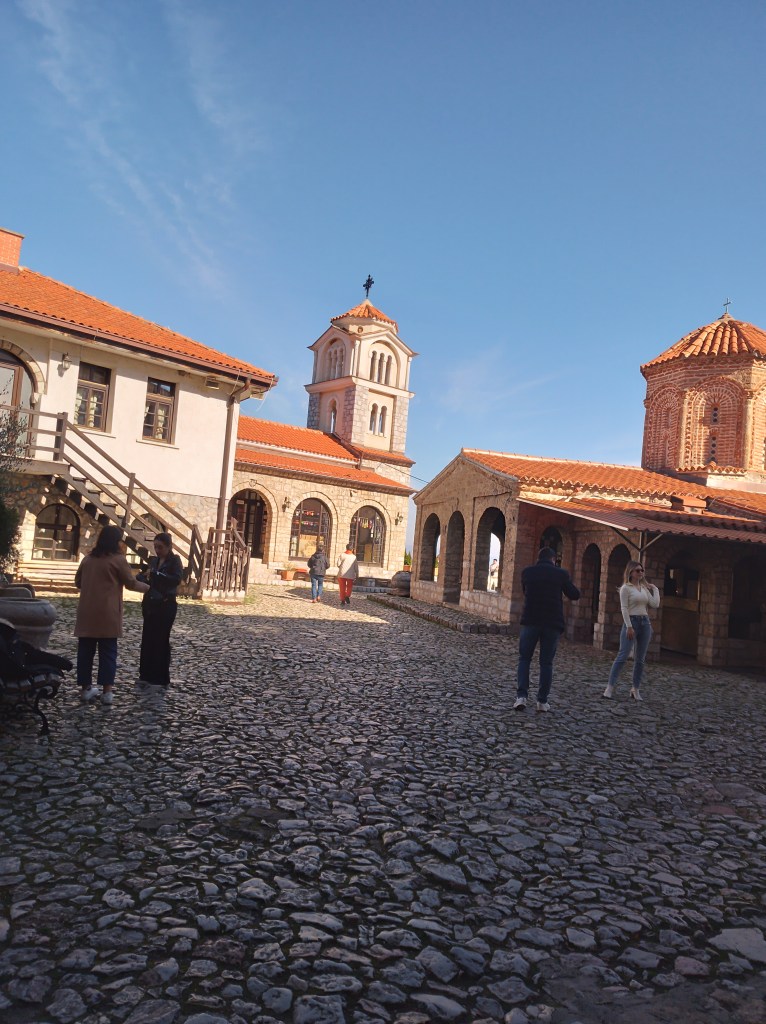
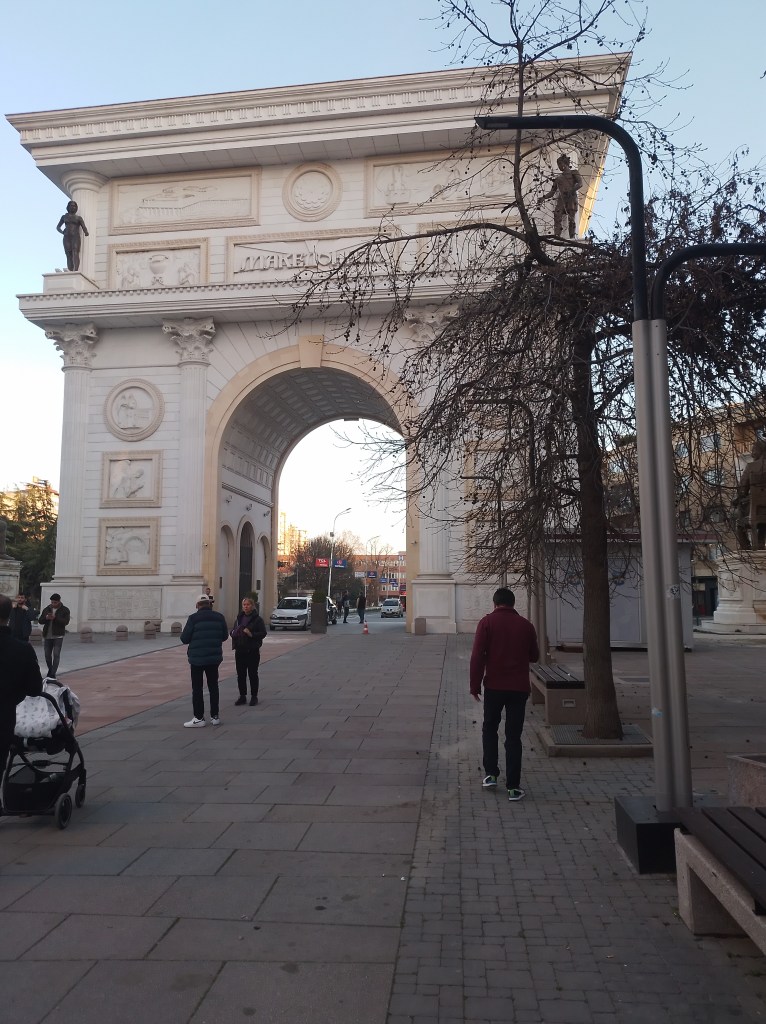
In Macedonia, the capital city of Skopje revealed a kaleidoscope of architectural styles, reflecting the nation’s rich history. Journeying to the shores of Lake Ohrid, I discovered a haven of tranquility. The UNESCO-listed town, with its medieval churches and crystal-clear waters, became a picturesque backdrop to moments of reflection.
Albania: Tirana’s Colors and Gjirokaster’s Timeless Charm
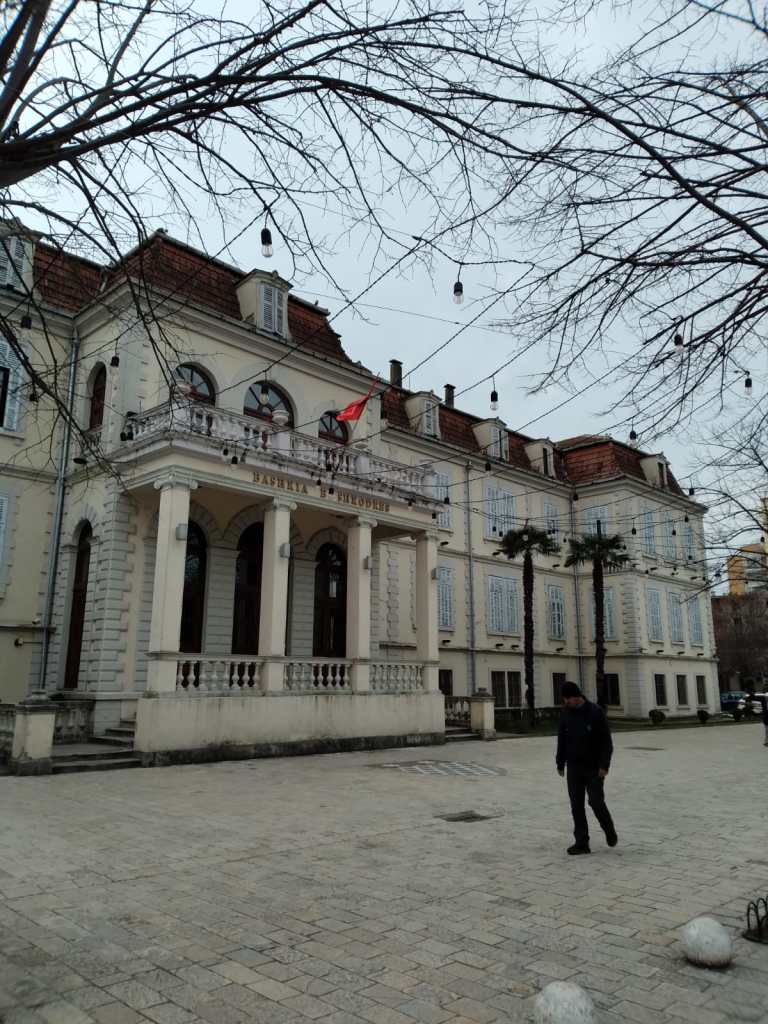
Tirana, the vibrant capital of Albania, greeted me with a burst of colors, from the bustling Skanderbeg Square to the unique Pyramid of Tirana. The journey continued to Gjirokaster, a UNESCO World Heritage site where the cobbled streets and Ottoman architecture transported me to a bygone era.
Kosovo: Pristina’s Energy and Prizren’s Heritage
My Balkan adventure concluded in Kosovo, where Pristina’s youthful energy and the historic charm of Prizren captivated my senses. The vibrant street art in the capital and the centuries-old monuments in Prizren provided a perfect contrast, illustrating the evolving narrative of this young nation.
The Complex Tapestry of Modern Identity
Kosovo, the youngest country in the region, declared independence from Serbia in 2008. Pristina, the capital, reflects the dynamism of a nation working to establish its identity. The region has a complex history marked by ethnic tensions and the Kosovo War in the late 20th century. The declaration of independence brought about a new chapter, but the challenges of state-building and international recognition continue to shape Kosovo’s evolving narrative.
Conclusion: A Tapestry Woven with Memories
As I look back on my journey through these six enchanting Balkan countries, I realize that each step was not just a physical movement but a cultural and emotional odyssey. The photographs I took serve as frozen moments, preserving the beauty, diversity, and stories of this remarkable corner of the world. The Balkans, with their rich history, warm hospitality, and breathtaking landscapes, have woven themselves into the tapestry of my memories, creating an experience that will forever hold a special place in my heart.
Here’s to the magic of travel, the connections forged, and the stories written in the footsteps of exploration. May the spirit of adventure continue to guide us through the diverse landscapes and cultures that make our world truly extraordinary. Until the next journey begins!
 Articles