
The color blue is generally found in nature as a pure pigment, and for this reason, it is often produced through mixtures. Since it is considered a cool color, blue gives a refreshing and soothing feeling. Many artists have used blue as a color to symbolize melancholy and depression. The phrase “feeling blue” corresponds to the same state, meaning to feel sad or depressed. Blue and its shades, especially in individuals with a depressive mood, can evoke a sense of emotional emptiness and pessimism. Since it represents thought and the inner world, it can deepen the emotional state of the individual.
Although blue often reminds us of the sky or the sea, it does not evoke such a peaceful feeling in everyone. For many, blue is associated with sadness and a depressive state. This is because the calmness that blue conveys can transform into feelings of loneliness, emotional emptiness, and depression within our inner world, potentially triggering mental disorders. Normally, gray and black are known as the colors that symbolize depression. However, a 2017 article published by a University mentioned that dark blue, in particular, is a color that can trigger depression.
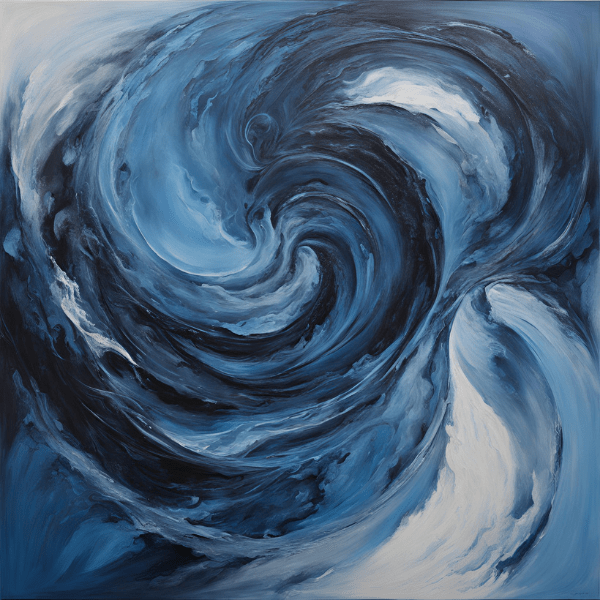
Colors evoke different associations across cultures and regions, and these can also vary by age group and gender. For example, among children, pink symbolizes happiness for girls, while blue symbolizes happiness for boys. In art and art history, blue emerges as a color representing deep emotions, melancholy, and loneliness. The use of blue in artworks dealing with these themes provides viewers with an intense emotional experience. Artists often use blue to express their inner states or externalize their internal conflicts. Shades of blue, particularly dark blue, are frequently emphasized to convey loss or loneliness.
One artist who used blue extensively in his works is Pablo Picasso. Picasso’s “Blue Period” was a style he developed in his youth due to personal losses and economic hardships. During this period, Picasso created works dominated by shades of blue and gray, reflecting emotions such as loneliness, poverty, and despair. The figures in his paintings are often depicted in a somber atmosphere, engulfed in melancholy or isolated.
Notable Works:
- “The Old Guitarist” (1903): This painting portrays an elderly man hunched over, playing an old guitar. Apart from the warm brown tone of the guitar, the entire piece is painted in shades of blue. The man’s frailty and loneliness are conveyed to the viewer through the melancholic effect of the blue tones.
- “La Vie” (1903): The painting features a man and a nude woman, with additional human figures in the background enveloped in blue tones. It reflects the complexities of life and inner contradictions through the use of blue shades.
- “Blue Nude” (1902): Depicting an isolated nude female figure, this work highlights how blue tones enhance feelings of loneliness and melancholy.
Picasso’s intensive use of blue during this period was not only an emotional expression but also a social message that drew attention to the struggles of the lower classes.
Edward Hopper: Loneliness and Alienation
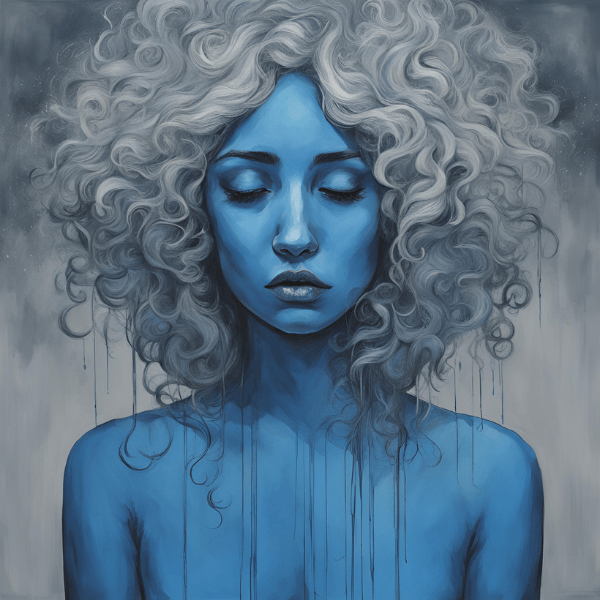
American artist Edward Hopper is another prominent figure who explored themes like loneliness, isolation, and the melancholy of modern life in his works. By using blue and cold tones as a backdrop, Hopper evokes a sense of inner emptiness in the viewer. His paintings often feature empty rooms, solitary figures, and isolated spaces, emphasizing the alienation brought about by modern life.
Notable Works:
- “Nighthawks” (1942): This iconic piece depicts a few individuals sitting in a diner late at night. Blue and green tones lend the setting a cold atmosphere. The physical distance and lack of interaction between the figures create a sense of loneliness, accentuated by the blue hues.
- “Rooms by the Sea” (1951): Depicting a room opening to an ocean view, this painting evokes both physical and emotional isolation. The use of blue tones amplifies the sense of solitude.
- “Morning Sun” (1952): A woman sits on the edge of a bed bathed in sunlight. The interplay of light and blue tones evokes a feeling of quiet reflection and contemplation.
When combined with isolated figures and empty spaces, Hopper’s use of blue tones captures the melancholic and lonely aspects of modern humanity.
Mark Rothko: The Spiritual Power of Colors
Abstract expressionist Mark Rothko explored the emotional impact of colors, expressing this in a minimalistic manner. His paintings consist of large color fields and aim to establish a direct emotional connection with the viewer. Rothko’s use of blue and dark tones conveys themes of melancholy, loneliness, and spiritual depth.
Notable Works:
- “Blue and Gray” (1962): Comprising shades of blue and gray, this work creates a sense of loss and uncertainty. The blurred boundaries of the colors symbolize emotional complexity.
- “No. 61 (Rust and Blue)” (1953): By combining rust and blue tones, this painting evokes both warmth and coldness. The dominance of blue underscores the melancholic tone of the work.
- “Untitled (Blue, Green, and Brown)” (1952): This abstract piece, with its depth and calmness of blue tones, draws the viewer inward, creating a meditative effect.
Rothko’s works, using blue tones, take viewers on an intense spiritual journey, aiming to convey a universal sense of melancholy through color.
Blue and Artistic Depth
Throughout history, blue has been used by artists to express loneliness, melancholy, and the complexity of the human spirit. Picasso’s exploration of poverty and emotional emptiness, Hopper’s depiction of the alienating effects of modernity, and Rothko’s conveyance of universal melancholy through blue, all demonstrate the profound power of this color in art. The phrase “feeling blue” has been transformed into a visual language through these artists and their works, becoming a metaphor that deeply reflects the human emotional experience.
 rtnews