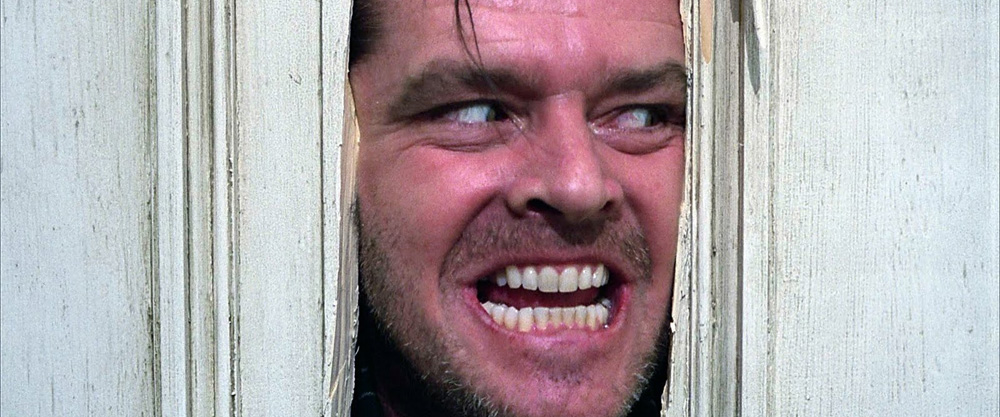
In the realm of cinematic masterpieces, Stanley Kubrick’s “The Shining” stands tall as a psychological horror film that has left an indelible mark on the genre. Adapted from Stephen King’s novel, the movie is a chilling exploration of isolation, madness, and the supernatural. Let’s take a journey through the eerie corridors of the Overlook Hotel and unravel the mysteries that make this film a timeless classic.
The Overlook Hotel: Nestled in the desolate and snowbound Colorado Rockies, the Overlook Hotel serves as the haunting backdrop for the unfolding horror. Its grandeur and isolation become integral elements of the narrative. The hotel’s architecture, with its labyrinthine design and unsettling history, adds a palpable sense of foreboding. As Jack Torrance (played by Jack Nicholson) takes on the role of the winter caretaker, the Overlook Hotel becomes a character in itself, shaping the destinies of those who enter its ominous halls.
“The Cinematic Brilliance”:
Stanley Kubrick’s “The Shining” is often hailed for its cinematic brilliance, and this accolade is well-deserved. Kubrick’s meticulous attention to detail is a hallmark of his filmmaking style, and it is evident throughout the movie. The deliberate pacing of the narrative allows tension to build gradually, creating an atmosphere of suspense. Kubrick’s use of tracking shots, where the camera smoothly follows characters through the vast and eerie spaces of the Overlook Hotel, is a technique that immerses viewers in the unsettling environment. This careful craftsmanship keeps the audience on the edge of their seats, enhancing the overall viewing experience.
The vast spaces and eerie emptiness of the Overlook Hotel are crucial elements in crafting the film’s atmosphere. The expansive, maze-like layout of the hotel contributes to a sense of isolation, trapping characters within its foreboding walls. The emptiness amplifies the psychological impact of the events, creating an environment where the characters’ descent into madness feels all the more palpable. The Overlook Hotel itself becomes a character in the narrative, influencing the mental state of those within its confines.
“Jack Torrance’s Descent into Madness”:
At the heart of “The Shining” is Jack Nicholson’s unforgettable portrayal of Jack Torrance. As the winter caretaker of the Overlook Hotel, Jack’s slow descent into madness is a central theme that unfolds with disturbing intensity. The Overlook Hotel, with its haunted history and supernatural influences, serves as a catalyst for Jack’s unraveling sanity. The isolation, coupled with the hotel’s eerie atmosphere, contributes to the psychological pressure on Jack.
The iconic “Here’s Johnny!” scene, where Jack bursts through a door with an axe, has become emblematic of Jack Torrance’s complete psychological breakdown. This moment is a culmination of the psychological horror that has been building throughout the film. The phrase itself, delivered with manic energy by Nicholson, has become an indelible part of cinematic history, symbolizing the character’s transformation into madness.
Themes of Isolation and Supernatural: “The Shining” delves into the psychological depths of its characters, exploring themes of isolation and the supernatural. The isolation enforced by the snowbound hotel amplifies the characters’ vulnerability, while the supernatural elements contribute to the film’s enigmatic allure. Kubrick’s use of symbolism and ambiguity allows for multiple interpretations, making “The Shining” a film that continues to spark discussions and analysis decades after its release.
Stanley Kubrick’s “The Shining” and the enigmatic Overlook Hotel have cemented their places in cinematic history. The film’s combination of psychological horror, exceptional performances, and atmospheric storytelling creates an enduring experience for audiences. As we navigate the winding corridors of the Overlook Hotel, we find ourselves immersed in a tale that transcends time, leaving us with lingering questions and a sense of cinematic awe.
 rtnews