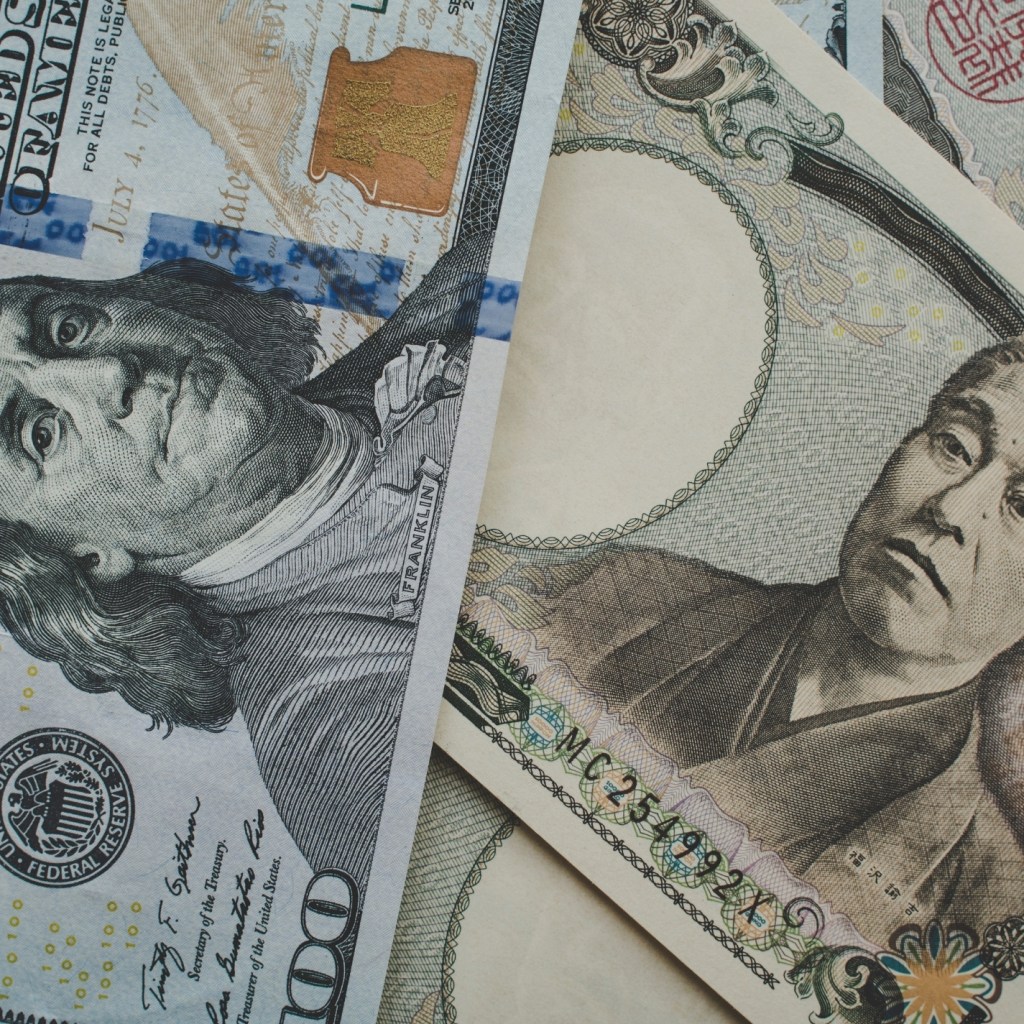
The diplomatic ties between the United States and Japan have deep historical roots, marked by a complex journey of collaboration, conflict, and eventual reconciliation. Over the years, both nations have navigated through significant challenges, fostering a unique relationship that has evolved into one of the most important alliances in the Asia-Pacific region. This article explores the multifaceted dynamics of the USA-Japan relationship, highlighting key historical milestones, current diplomatic initiatives, and the shared commitment to addressing global challenges.
Historical Background:
The aftermath of World War II marked a pivotal juncture in the relationship between the United States and Japan. Following Japan’s defeat in 1945, the country faced widespread devastation and needed significant assistance for reconstruction. The United States, recognizing the importance of a stable and rehabilitated Japan in the Asia-Pacific region, took on a key role in aiding its recovery.
- Marshall Plan and Post-War Reconstruction: After the war, the United States initiated the Marshall Plan, a comprehensive economic aid program designed to rebuild war-torn European and Asian nations. Japan was a major recipient of this assistance, receiving financial aid, infrastructure support, and economic guidance. The Marshall Plan played a crucial role in jumpstarting Japan’s post-war recovery, laying the foundation for its rapid economic development.
- Development of a Democratic Government: The U.S. also played a pivotal role in shaping the political landscape of post-war Japan. General Douglas MacArthur, as Supreme Commander for the Allied Powers (SCAP), oversaw the occupation of Japan and implemented democratic reforms. The new constitution, drafted under U.S. guidance in 1947, established a constitutional monarchy with a parliamentary government. This marked a departure from Japan’s pre-war imperial system and set the stage for the development of a democratic political system.
- Treaty of Mutual Cooperation and Security (1960): The Treaty of Mutual Cooperation and Security, signed in 1960, was a watershed moment in the bilateral relationship between the U.S. and Japan. This treaty formalized the security alliance between the two nations, outlining their commitment to each other’s defense and cooperation in matters of regional and global significance. The treaty allowed for the establishment of U.S. military bases in Japan, particularly in Okinawa, further solidifying the strategic partnership between the two nations.
- Foundation for Mutual Defense and Cooperation: The Treaty of Mutual Cooperation and Security provided a stable foundation for mutual defense and cooperation. In the event of an armed attack against either party, both the United States and Japan pledged to act to meet the common danger. This agreement not only contributed to the security of Japan but also positioned the U.S. as a key ally in the Asia-Pacific region during the Cold War era.
In summary, the post-World War II period saw the United States actively involved in the reconstruction of Japan, both economically and politically. The signing of the Treaty of Mutual Cooperation and Security in 1960 not only formalized their security alliance but also set the stage for a long-lasting and evolving relationship that has been characterized by mutual respect, shared strategic interests, and diplomatic cooperation.
Economic Cooperation:
One of the cornerstones of the USA-Japan relationship has been economic collaboration. Japan’s post-war economic miracle and rapid industrialization transformed it into an economic powerhouse. The U.S. and Japan engaged in a complex economic relationship, marked by trade agreements, technological exchange, and joint ventures. However, trade tensions emerged in the 1980s, as the U.S. sought to address trade imbalances and protect its industries. Despite challenges, both nations have managed to negotiate agreements and maintain a robust economic partnership.
Security Alliance:
The security alliance between the United States and Japan has been a linchpin for stability in the Asia-Pacific region. The U.S. military presence in Japan, particularly with bases in Okinawa, has been a source of both cooperation and occasional tension. The alliance has evolved to address new security challenges, such as North Korea’s nuclear ambitions and the rise of China as a regional power. Regular joint military exercises and diplomatic dialogues continue to strengthen their collective defense capabilities.
Technological Collaboration:
In recent years, the USA-Japan relationship has expanded into the realm of technological collaboration. Both nations recognize the importance of innovation and technology in maintaining their competitive edge on the global stage. Joint research initiatives, investments in emerging technologies, and collaborations between leading companies have become integral components of their strategic partnership.
Climate Change and Global Challenges:
In the face of pressing global challenges, the United States and Japan have found common ground in addressing issues like climate change, public health crises, and international development. Both nations have committed to environmental sustainability and are actively participating in international efforts to mitigate the impacts of climate change. The COVID-19 pandemic further highlighted the need for global cooperation, with the U.S. and Japan working together on vaccine distribution, healthcare initiatives, and economic recovery.
Conclusion:
The relationship between the United States and Japan has weathered the storms of history and emerged stronger, reflecting a shared commitment to democratic values, economic prosperity, and regional stability. As both nations continue to navigate the complexities of the 21st century, their evolving partnership serves as a model for international cooperation. The USA-Japan alliance stands as a testament to the enduring power of diplomacy, collaboration, and mutual respect in shaping a more interconnected and peaceful world.
 rtnews