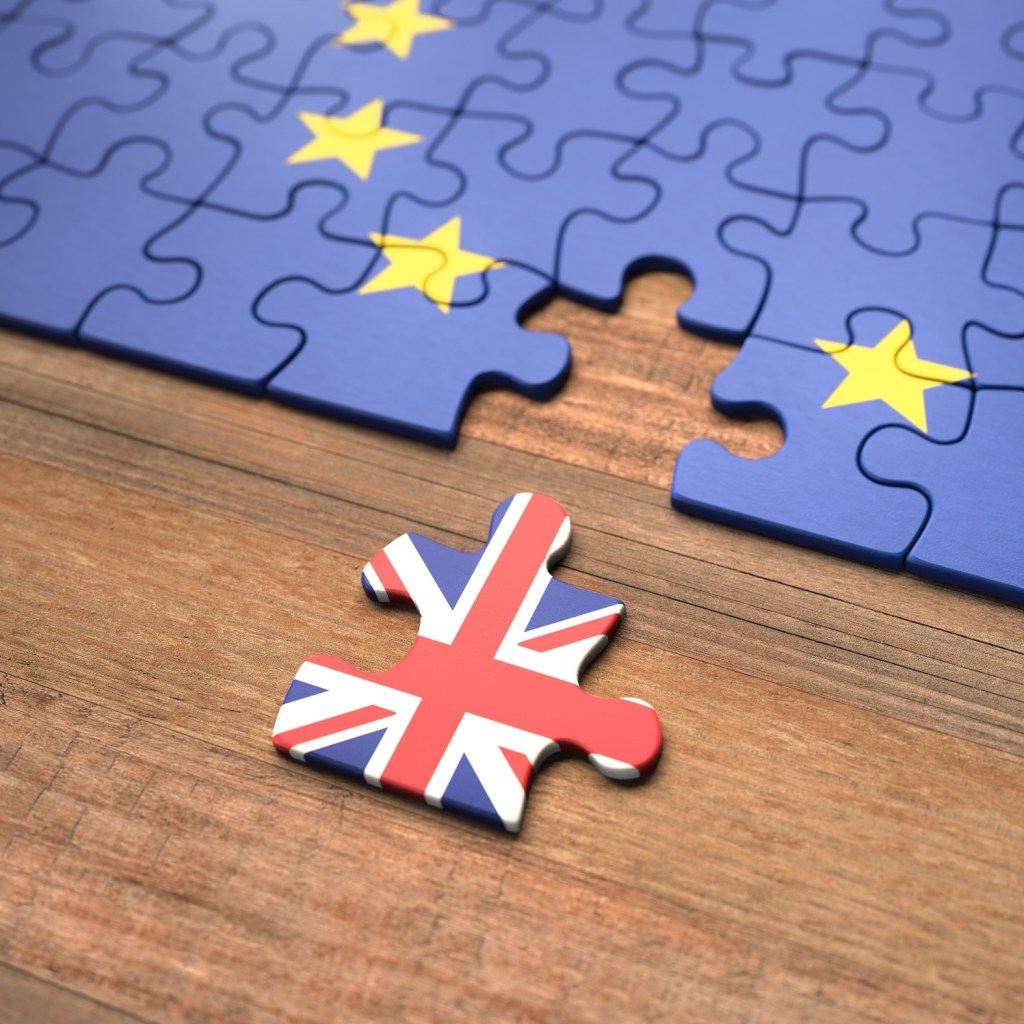
Brexit, a portmanteau of “British exit,” refers to the United Kingdom’s historic decision to leave the European Union (EU). This monumental event, shaped by complex political, economic, and social factors, has far-reaching implications for both the UK and the EU. This article provides a detailed exploration of the Brexit phenomenon, examining its origins, key milestones, and ongoing consequences.
Background: The seeds of Brexit were sown in the early 21st century, with growing discontent among some sections of the British population regarding the EU. Concerns over issues such as sovereignty, immigration, and economic autonomy fueled the Eurosceptic sentiment, leading to the eventual call for a referendum.
The Referendum: In a pivotal moment on June 23, 2016, the UK held a nationwide referendum, allowing citizens to voice their stance on EU membership. The question posed was simple: “Should the United Kingdom remain a member of the European Union or leave the European Union?” The result, with 51.9% voting to leave, shocked the world and set the stage for a complex and protracted process of disentanglement.
Negotiations and Agreements: Following the referendum, the UK and the EU embarked on negotiations to determine the terms of their future relationship. The process was marked by intense debates over trade, security, and the status of citizens on both sides. The Withdrawal Agreement, finalized in January 2020, outlined the terms of the UK’s departure, including a transition period that lasted until the end of 2020.
Transition Period and Trade Deal: The transition period allowed the UK and the EU to negotiate a comprehensive trade agreement that would govern their post-Brexit relationship. After months of negotiations and several missed deadlines, a deal was finally reached on December 24, 2020. The EU-UK Trade and Cooperation Agreement came into effect on January 1, 2021, shaping the economic and political ties between the two entities.
Impact on the UK: Brexit has had a profound impact on the UK, affecting various sectors such as trade, immigration, and foreign policy. While proponents argue that it has restored national sovereignty and provided new economic opportunities, critics point to disruptions in supply chains, increased bureaucracy, and the economic fallout as significant drawbacks.
Impact on the EU: The EU, too, has had to adapt to the departure of one of its largest and most influential members. The loss of the UK has prompted reflections on the future of European integration, with discussions on reforming and strengthening the union to address its challenges.
Ongoing Challenges: As the UK forges ahead independently, challenges persist, including the implementation of the Northern Ireland Protocol, managing the impact on various industries, and navigating a new global role. Additionally, the long-term consequences of Brexit are still unfolding, making it a subject of ongoing analysis and debate. Brexit represents a seismic shift in the geopolitical landscape, with implications that extend beyond the borders of the UK and the EU. As both entities adapt to their new realities, the long-term effects of this historic event will continue to shape the political, economic, and social landscape of Europe and beyond.
After Brexit
The period after Brexit, particularly after the transition period ended on December 31, 2020, marked a significant juncture for the United Kingdom in terms of its financial situation. Several factors have contributed to shaping the UK’s financial landscape in the aftermath of its departure from the European Union (EU).
Trade Relations and Economic Impact:
One of the most critical aspects of the post-Brexit financial landscape is the establishment of new trade relations between the UK and the EU. The EU-UK Trade and Cooperation Agreement, which came into effect on January 1, 2021, governs the economic relationship between the two entities.
The agreement aims to facilitate tariff-free and quota-free trade in goods but does not eliminate all barriers, leading to increased customs checks and regulatory requirements. This has implications for businesses, particularly those involved in cross-border trade.
Currency and Financial Markets:
The uncertainty surrounding Brexit had already impacted the British pound during the negotiation period. Following the formal exit, the pound’s value experienced fluctuations based on market perceptions of the economic impact of the new trade arrangements and other factors.
Financial markets have been attentive to developments related to trade, regulatory changes, and the overall economic performance of the UK in the post-Brexit era.
Financial Services
The UK, particularly London, has long been a financial hub within the EU. However, the Brexit agreement did not include a comprehensive deal for the financial services sector. This has led to changes in how financial services operate across borders. Some financial firms have adjusted their operations by establishing entities within the EU to ensure continued access to the single market. The full implications of these adjustments are still unfolding.
Impact on Industries:
Different industries have been affected in various ways. For example, sectors with complex supply chains, such as manufacturing and automotive, have faced challenges related to increased customs checks and trade friction.The fishing industry has also experienced changes in access to waters, impacting fishermen on both sides of the English Channel.
Government Support and Stimulus:
The UK government has implemented various measures to support businesses and the economy during the transition and post-Brexit period. These include financial support packages, investment in infrastructure, and initiatives to boost economic growth.
Long-Term Outlook:
The long-term economic outlook for the UK post-Brexit remains a subject of ongoing analysis and debate. Proponents argue that the ability to set independent trade policies and regulations provides opportunities for economic growth. Critics, however, point to the challenges posed by increased trade barriers and the need for businesses to adapt to the new environment.
In summary, the after-Brexit period has brought both challenges and opportunities for the UK’s financial situation. The full impact is likely to unfold over the coming years as businesses, policymakers, and the broader economy adjust to the new realities of the UK’s relationship with the EU and its position on the global stage.
 rtnews