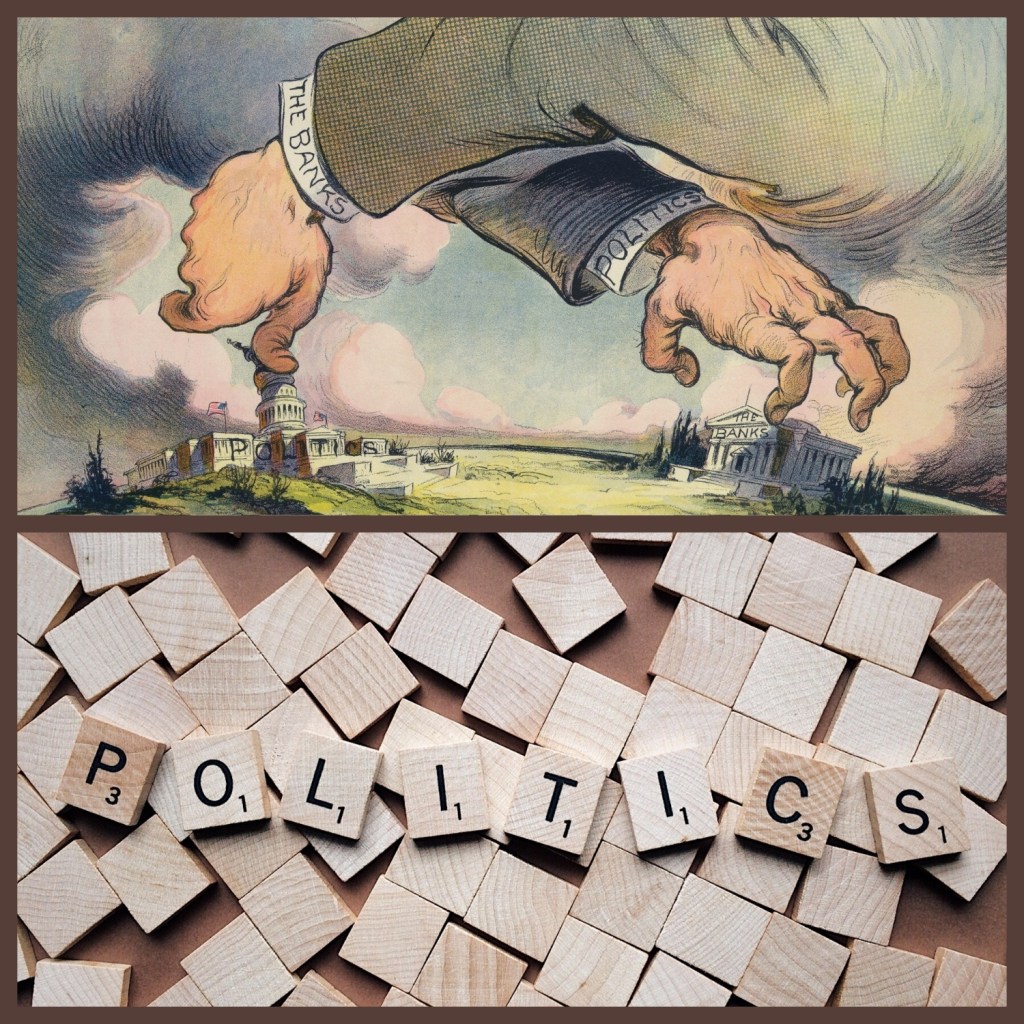
Politics, the art and science of governance, is a dynamic and intricate system that shapes the destiny of nations and communities. Rooted in the quest for power, authority, and the pursuit of the common good, politics is both a concept and a practice that permeates every aspect of human society. This article aims to unravel the complexities of politics, exploring its essence, functions, and impact on our lives.
Defining Politics:
At its core, politics is the process through which decisions are made, resources are allocated, and power is distributed within a society. It encompasses the structures, institutions, and activities that facilitate the functioning of a community, from local governments to international relations. The word “politics” is derived from the Greek word “polis,” which means city-state, emphasizing its origins in the organization of communities.
Key Elements of Politics:
- Power and Authority: Central to politics is the concept of power – the ability to influence or control the behavior of others. Authority, on the other hand, is the legitimate use of power within a defined structure, such as a government. Political systems vary widely in how power and authority are distributed, from autocracies to democracies.
- Institutions: Political institutions, such as legislatures, executive branches, and judiciaries, are the formal structures that carry out governance. These institutions create and enforce laws, ensuring order and stability within a society. The interplay between these entities defines the balance of power and the rule of law.
- Public Policy: Politics is the arena where policies are formulated, debated, and implemented. Public policy addresses issues ranging from economic development and social welfare to national security and environmental protection. It reflects the priorities and values of a society, serving as a blueprint for collective action.
- Citizen Participation: Democracy, a widely embraced political system, emphasizes citizen participation in decision-making. Through voting, activism, and civic engagement, individuals contribute to shaping the political landscape. In autocratic systems, citizen participation may be limited, highlighting the diverse nature of political structures.
Politics in Action:
The daily workings of politics are evident in the interactions between governments, international relations, and the policies that affect individuals’ lives. Political leaders, elected officials, and bureaucrats navigate the complexities of diplomacy, economic management, and social issues, all with the aim of promoting the welfare of their constituents.
Politics is also a realm of competing ideologies, where different visions for society clash and negotiate. Debates over the role of government, the distribution of resources, and the protection of individual rights are constants in the political landscape.
Impact on Society:
The impact of politics on society is profound, shaping the quality of life, economic opportunities, and the distribution of resources. Political decisions influence education, healthcare, infrastructure, and environmental sustainability. Moreover, politics plays a pivotal role in fostering social justice, human rights, and global cooperation.
What Is The Difference of Politic and Policy?
“Politics” and “policy” are related concepts in the realm of governance, but they refer to different aspects of the decision-making and implementation process. Let’s explore the key differences between politics and policy:
- Definition:
- Politics: Politics refers to the activities, actions, and strategies involved in gaining and holding power in a government or in influencing the government. It involves the competition and cooperation among individuals, groups, and institutions to make decisions that affect a society.
- Policy: Policy, on the other hand, refers to a set of principles, guidelines, or courses of action adopted or pursued by an organization, government, or individual. Policies are concrete plans or actions designed to address specific issues or achieve particular goals.
- Nature:
- Politics: Politics is more abstract and encompasses a broader range of activities, including the pursuit of power, the formation of alliances, and the resolution of conflicts. It involves the dynamics of decision-making, leadership, and the distribution of resources in a society.
- Policy: Policy is more concrete and specific. It represents the outcome of political processes and reflects the decisions made by governments or organizations to address particular problems or issues. Policies provide a framework for implementation and guide actions.
- Focus:
- Politics: Politics is concerned with the broader processes of governance, the competition for power, and the dynamics of decision-making. It involves discussions, debates, elections, and negotiations to determine who gets what, when, and how.
- Policy: Policy focuses on the specific plans and programs that are developed and implemented to achieve certain objectives. It deals with the details of how a particular issue is addressed, including the allocation of resources and the methods of implementation.
- Timeline:
- Politics: Politics is an ongoing, continuous process. It involves the day-to-day activities of politicians, political parties, and citizens engaged in the political arena. Political dynamics can change rapidly based on events and circumstances.
- Policy: Policy is more stable and tends to have a longer timeline. Once a policy is formulated and implemented, it often undergoes a period of evaluation and adjustment, but the process is generally more structured and less fluid than the constantly changing landscape of politics.
- Examples:
- Politics: Examples of political activities include election campaigns, legislative debates, and negotiations between political parties. It also involves the broader ideologies and principles that guide political actors.
- Policy: Examples of policies include healthcare policies, environmental policies, or education policies. These are specific plans that outline how a government or organization intends to address issues in these areas.
 rtnews