
Rumi’s closest friend, Shams, may have defined destiny in perhaps its most beautiful form: “I cannot explain what destiny is,” Shams said, “but I can tell you what it is not… Destiny does not mean our lives are predetermined. Therefore, saying ‘What can we do, this is our destiny…’ and bowing our heads is a sign of ignorance. Destiny reveals only the crossroads, not the entire path. The route is predetermined, but all the turns and forks belong to the traveler. So, you are neither the master of your life nor helpless in the face of life.”
At times when we feel helpless in life, moments when we think, “Why me?” multiply. Why me and not someone else? However, people often do not realize how quickly they forget the things they think about in good times. If one could learn to resist habits and thought patterns that cause negative emotions, or stop worrying about things that cannot be changed, they would not succumb to such thoughts. The triggers for these feelings may lie in the modern world we live in and the problems it brings, but fundamentally, humans remain the same across all eras.

Therefore, when we read philosophical texts written centuries ago, we feel as if they were written for us. Among them, the philosopher I have read the most is Epictetus. He succinctly explains this situation with a few sentences: “Attempting to control and change things we cannot control only leads to intense suffering. If you think you have freedom to control things beyond your control, when your efforts are hindered, you become ‘upset,’ ‘anxious,’ and turn into someone who seeks fault in others.”
To understand life in a brief and concise manner is necessary for happiness. The beginning of happiness comes from acceptance. Knowing one’s limits, recognizing and accepting oneself, and most importantly, being a friend to oneself are crucial. A person who is not a friend to oneself, constantly seeking their own faults and shortcomings, cannot be a friend to others. Sometimes life becomes monotonous, and you may believe that nothing will change, that you will always remain in the dark. However, in reality, every moment we live changes and evolves. Even in the same person, you cannot find the same person again.
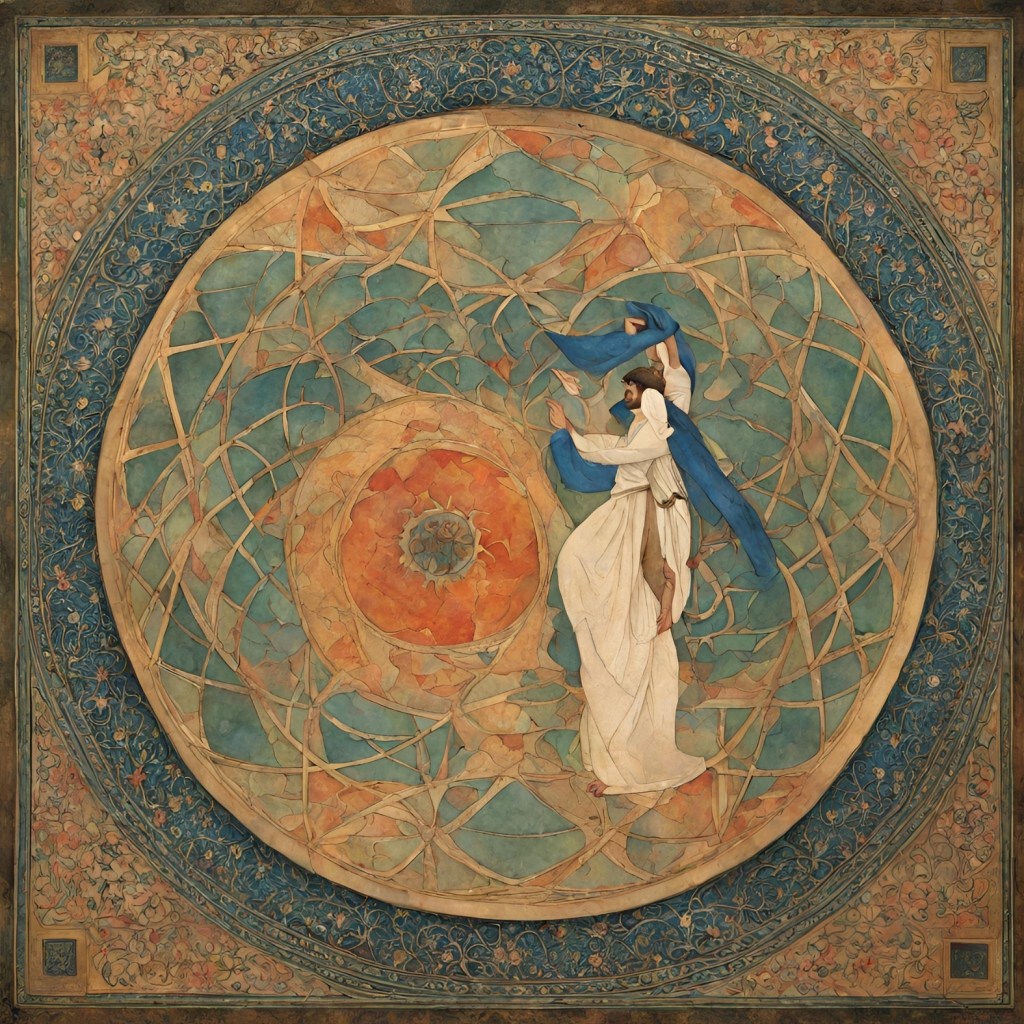
The Guest House
This being human is a guest house.
Every morning a new arrival.
A joy, a depression, a meanness,
some momentary awareness comes
as an unexpected visitor.
Welcome and entertain them all!
Even if they’re a crowd of sorrows,
who violently sweep your house
empty of its furniture,
still, treat each guest honorably.
He may be clearing you out
for some new delight.
The dark thought, the shame, the malice,
meet them at the door laughing,
and invite them in.
Be grateful for whoever comes,
because each has been sent
as a guide from beyond.
by Jalaluddin Rumi
 rtnews