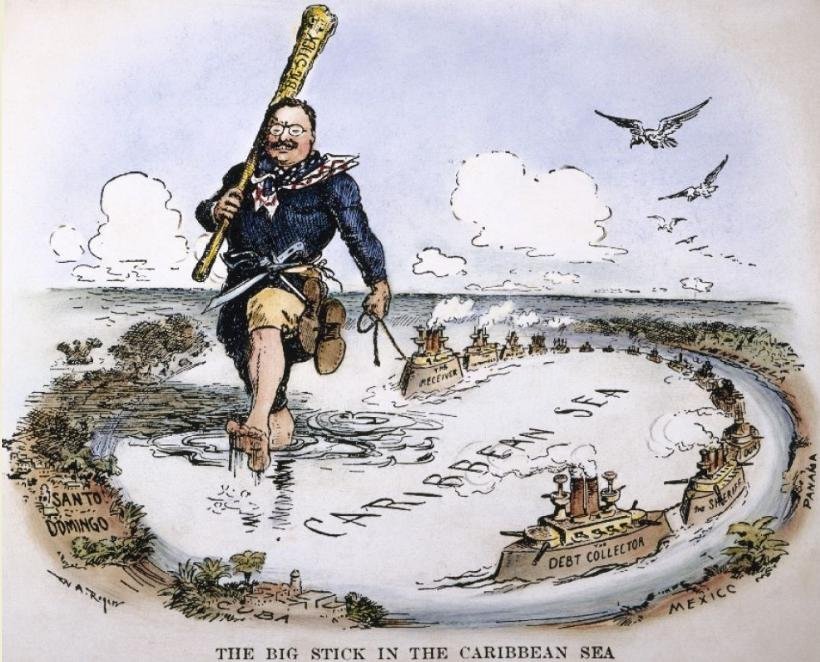

According to Theodore Roosevelt, a big stick could deter the opposing side from aggression, whether the weakness of the opposing side stems from strength or weakness. However, if aggression particularly arises from weakness, speaking softly is more important here, as harsh rhetoric unnecessarily corners pressured leaders and can lead to them making wrong decisions.
Strausz Hupe has said that those who can turn the advantage of the plowshare into the sword, meaning those who can convert military weapons and technology for peaceful civilian use.
In the annals of history, the strategies and philosophies of political leaders have played a pivotal role in shaping nations and determining the course of international relations. Two figures, Theodore Roosevelt and Straus Hupe, offer insights into effective diplomatic approaches that involve wielding power with finesse and transforming military might into tools for peace. Their perspectives, though from different eras, resonate in the delicate balance between strength and diplomacy.
The Big Stick Diplomacy of Theodore Roosevelt:
Theodore Roosevelt, the 26th President of the United States, was a proponent of what came to be known as “Big Stick Diplomacy.” His famous adage, “speak softly and carry a big stick,” encapsulated his approach to foreign policy. The ‘big stick’ represented military power, a deterrent that could dissuade potential aggressors. Roosevelt believed that possessing a formidable military force was crucial for maintaining peace, regardless of the motivations of the opposing side.
Roosevelt’s philosophy suggested that a nation should be prepared to use force if necessary, but the emphasis on speaking softly underscored the importance of diplomacy. For him, harsh rhetoric, especially in the face of a weaker adversary, could be counterproductive. Pressured leaders, when backed into a corner, might make hasty and ill-advised decisions. By combining military strength with diplomatic finesse, Roosevelt aimed to create a balance that prevented unnecessary conflicts and secured national interests.
Historical Perspective:
Roosevelt’s doctrine was notably applied during his involvement in the construction of the Panama Canal. The strategic significance of the canal prompted the U.S. to negotiate with Colombia for its construction. When talks broke down, Roosevelt supported a Panamanian uprising, securing the canal zone and showcasing the ‘big stick’ in action. The episode demonstrated the pragmatic application of military strength in achieving diplomatic goals.
Straus Hupe’s Vision of Transformed Swords:
Jumping ahead in time, Straus Hupe, a political scientist and thinker, presented a vision that complemented Roosevelt’s approach. Hupe highlighted the transformative potential of those who could turn the “plowshare into the sword.” This metaphorical expression indicated the ability to repurpose military technologies and weapons for peaceful, civilian applications.
Hupe’s perspective encouraged a broader understanding of power and its application. Instead of merely relying on military might for deterrence, he argued for harnessing the advantages of military technologies to serve civilian purposes. This approach implied a dual-use philosophy where advancements in defense technology could be leveraged for societal progress, infrastructure development, and peaceful endeavors.
Contemporary Relevance:
In the contemporary context, Roosevelt’s ‘big stick’ philosophy continues to influence discussions on military preparedness and deterrence. Nations grapple with the challenge of maintaining a balance between projecting strength and engaging in diplomatic dialogue. The nuances of soft power and the impact of words in international relations echo Roosevelt’s emphasis on speaking softly.
Simultaneously, Hupe’s concept of transforming swords into plowshares resonates with the modern pursuit of dual-use technologies. In an era marked by rapid technological advancements, the ability to repurpose military innovations for civilian benefits aligns with global aspirations for sustainable development and peaceful coexistence.
The legacies of Theodore Roosevelt and Straus Hupe offer valuable lessons for contemporary leaders navigating the complexities of international relations. Roosevelt’s ‘big stick’ diplomacy underscores the importance of a strong defense as a foundation for effective diplomacy. On the other hand, Hupe’s vision challenges nations to think beyond military applications, encouraging them to leverage technological advancements for peaceful, constructive purposes.
As the world grapples with evolving geopolitical challenges, the wisdom of these two perspectives remains relevant. The delicate dance between strength and diplomacy, embodied in Roosevelt’s big stick and Hupe’s transformed swords, serves as a guide for nations seeking a secure and prosperous future.
Drawing inspiration from Theodore Roosevelt’s “Big Stick Diplomacy” and Straus Hupe’s vision of transforming swords into plowshares, a powerful state’s foreign policy can achieve a delicate equilibrium between military prowess and peaceful cooperation.
- Military Strength as Deterrence:
Embracing Roosevelt’s philosophy, a powerful state must maintain a robust military capability as a deterrent against potential aggressors. Investing in advanced defense technologies and maintaining a formidable military presence establishes a foundation for national security. This ‘big stick’ approach signals to the world that the state is well-prepared to protect its interests and respond decisively to any threat.
- Strategic Soft Diplomacy:
Complementing military strength, the state should adopt a soft diplomatic approach, heeding Roosevelt’s advice to “speak softly.” Engaging in dialogue, building alliances, and fostering international cooperation become paramount. Soft diplomacy emphasizes the power of dialogue over confrontation, ensuring that the state’s interests are advanced through negotiation and collaboration rather than coercion.
- Crisis Resolution with Finesse:
In times of crisis, the state must apply Roosevelt’s principles with finesse. While maintaining the big stick as a credible deterrent, leaders should exercise restraint in rhetoric, avoiding unnecessary aggression. This measured approach prevents the escalation of conflicts, enabling diplomatic channels to remain open for peaceful resolution. By demonstrating strength responsibly, the state positions itself as a global leader committed to stability.
- Dual-Use Technology and Innovation:
Taking a cue from Straus Hupe’s vision, a powerful state should actively pursue dual-use technologies, transforming military innovations into tools for societal progress. Investing in research and development that benefits both defense and civilian sectors showcases a commitment to global advancement. This approach not only enhances the state’s technological prowess but also fosters positive international perceptions by contributing to peaceful and sustainable solutions.
- Global Leadership in Peaceful Initiatives:
As part of its foreign policy, the powerful state should take the lead in international initiatives aimed at fostering peace and development. By leveraging its military strength responsibly and channeling technological advancements into global projects, the state becomes a force for positive change. This proactive role in addressing global challenges builds diplomatic goodwill and solidifies the state’s position as a responsible global actor.
- Multilateral Collaboration:
Prioritizing multilateralism aligns with both Roosevelt and Hupe’s principles. A powerful state should actively engage in collaborative efforts with other nations, participating in international organizations and alliances. This collaborative approach not only amplifies the state’s influence but also promotes a shared responsibility for global stability, echoing the ethos of transformed swords working collectively for the greater good.
Conclusion:
A powerful state’s foreign policy, rooted in the principles of Roosevelt’s Big Stick Diplomacy and Hupe’s Transformed Swords, stands to achieve a harmonious balance between strength and diplomacy. By wielding military power responsibly, engaging in strategic soft diplomacy, and actively contributing to global advancements, such a state can shape a future where security coexists with progress and cooperation. In the intricate dance of international relations, this nuanced approach positions the powerful state as a beacon of strength, wisdom, and responsible leadership on the world stage.
 rtnews