Introduction:
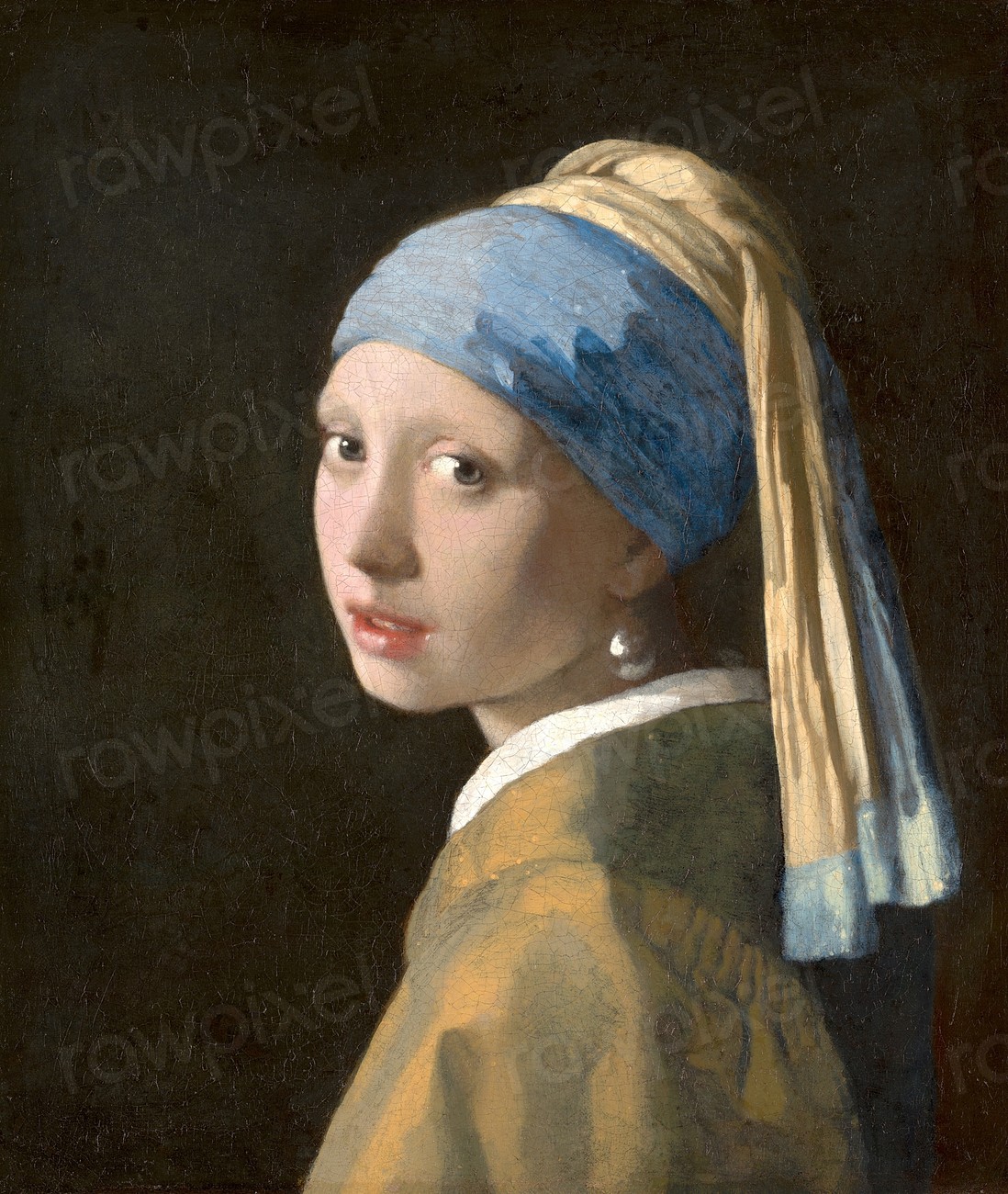
The Renaissance, a period of profound cultural, artistic, and intellectual rebirth that spanned roughly from the 14th to the 17th century in Europe, marked a pivotal moment in the history of human civilization. One of the most captivating aspects of this era was the flourishing of Renaissance art, a movement that revolutionized the way artists perceived the world and expressed their creativity. In this article, we will explore the key characteristics, notable artists, and enduring legacy of Renaissance art.
- Humanism and Perspective:At the heart of Renaissance art was humanism, a philosophy that celebrated the human experience and the potential of human beings. Artists during this period shifted their focus from the divine to the earthly, portraying realistic human emotions and anatomy. One of the most significant advancements was the mastery of linear perspective, a technique that created the illusion of depth on a two-dimensional surface. This breakthrough allowed artists to represent reality with unprecedented accuracy.
- Revival of Classical Themes:Renaissance artists drew inspiration from the art and philosophy of ancient Greece and Rome, seeking to revive classical themes and ideals. Mythology, history, and biblical narratives became popular subjects, with artists infusing their works with a sense of grandeur and harmony. Paintings like Sandro Botticelli’s “The Birth of Venus” and Leonardo da Vinci’s “The Last Supper” exemplify this fascination with classical themes.
- Masters of the Renaissance:The Renaissance produced a constellation of artistic geniuses whose works continue to captivate and inspire. Leonardo da Vinci, often regarded as the quintessential Renaissance man, seamlessly merged art and science in masterpieces like the “Mona Lisa” and “Vitruvian Man.” Michelangelo Buonarroti, another luminary, left an indelible mark with his sculptures, including the iconic “David” and the breathtaking frescoes adorning the Sistine Chapel ceiling.
- Innovation in Techniques:Renaissance artists experimented with various techniques to achieve unprecedented levels of realism and emotional depth in their works. Oil painting gained prominence, providing artists with a more flexible medium that allowed for finer details and richer colors. The use of chiaroscuro, the interplay of light and shadow, became a hallmark of Renaissance art, adding a dramatic dimension to the compositions.
- Architectural Marvels:The Renaissance was not confined to canvas and sculpture; it extended to architecture as well. Architects like Filippo Brunelleschi revolutionized building design, reintroducing elements of classical architecture such as columns, domes, and symmetry. The majestic dome of the Florence Cathedral stands as a testament to Brunelleschi’s architectural prowess.
- Legacy and Influence:The impact of Renaissance art reverberates through the centuries, shaping subsequent artistic movements and laying the foundation for the modern art world. The emphasis on observation, scientific accuracy, and the celebration of human potential set a precedent that artists continue to explore today. The Renaissance remains a beacon of inspiration, reminding us of the enduring power of creativity and the boundless possibilities of human expression.
The Renaissance was a transformative period that propelled art to new heights of excellence and sophistication. The artists of this era, driven by a profound curiosity about the world and a passion for beauty, left an indelible legacy that continues to enchant and educate. Through their masterpieces, Renaissance art not only captured the spirit of a bygone era but also laid the groundwork for the artistic achievements that would follow, ensuring that the pursuit of beauty and truth remains a timeless endeavor.
The Renaissance, a period of cultural rebirth and intellectual fervor in Europe from the 14th to the 17th century, had a profound impact on the trajectory of art. Its influence echoes through the corridors of time, shaping not only the art of subsequent centuries but also laying the groundwork for many aspects of modern art. Let’s explore the enduring effects of the Renaissance on the evolution of artistic expression into the modern era.
- Humanism and Individualism:The Renaissance’s celebration of humanism, the belief in the value and agency of human beings, fostered a newfound interest in individualism. Artists began to portray human subjects with a depth and realism that emphasized their unique personalities and emotions. This emphasis on the individual, a hallmark of Renaissance art, laid the foundation for the exploration of personal expression and identity that is prevalent in modern art.
- Realism and Observation:Renaissance artists were pioneers in the pursuit of realism, striving to accurately depict the world around them. The development of linear perspective and the mastery of anatomical representation allowed for a level of precision that was unprecedented. This commitment to realism profoundly influenced the evolution of art, setting a precedent for artists in subsequent centuries who sought to explore the nuances of the human form and the tangible world.
- Scientific Inquiry and Art:Renaissance artists such as Leonardo da Vinci seamlessly blended art and science, reflecting the intellectual currents of their time. The meticulous observation and recording of nature, anatomy, and the physical world became integral to artistic practice. This interdisciplinary approach laid the groundwork for the symbiotic relationship between art and science that continues to influence contemporary art, particularly in fields like bio-art and digital art.
- Classical Themes and Mythology:The Renaissance witnessed a revival of interest in classical themes and mythology, with artists drawing inspiration from the art of ancient Greece and Rome. This fascination with classical narratives permeated the art world, and echoes of these themes can be seen in the works of modern artists who revisit and reinterpret mythological stories, infusing them with contemporary meaning.
- Innovation in Techniques:The Renaissance was marked by a spirit of experimentation and innovation in artistic techniques. The use of oil painting, chiaroscuro, and perspective not only transformed the visual language of art during the Renaissance but also became enduring tools for artists in subsequent centuries. Modern artists continue to build upon and experiment with these techniques, adapting and reinterpreting them to suit contemporary sensibilities.
- Architectural Legacy:The architectural innovations of the Renaissance, characterized by a return to classical principles, symmetry, and proportion, laid the foundation for architectural developments in later centuries. Elements of Renaissance architecture can be seen in the design of buildings, monuments, and public spaces in the modern world, reflecting a continued appreciation for the aesthetic principles of this era.
- Legacy of Master Artists:The master artists of the Renaissance, including Leonardo da Vinci, Michelangelo, and Raphael, left an indelible mark on the art world. Their works continue to be studied, admired, and referenced by contemporary artists, serving as a source of inspiration and a testament to the enduring power of artistic genius.
In conclusion, the Renaissance’s impact on modern art is profound and multifaceted. The emphasis on humanism, the pursuit of realism, the fusion of art and science, and the exploration of classical themes collectively shaped the trajectory of artistic expression. As modern artists continue to push boundaries and explore new frontiers, they do so standing on the shoulders of the innovative and visionary artists of the Renaissance. The echoes of this transformative period continue to resonate, reminding us of the enduring power of creativity and the timeless quest for beauty, truth, and self-expression.
 rtnews