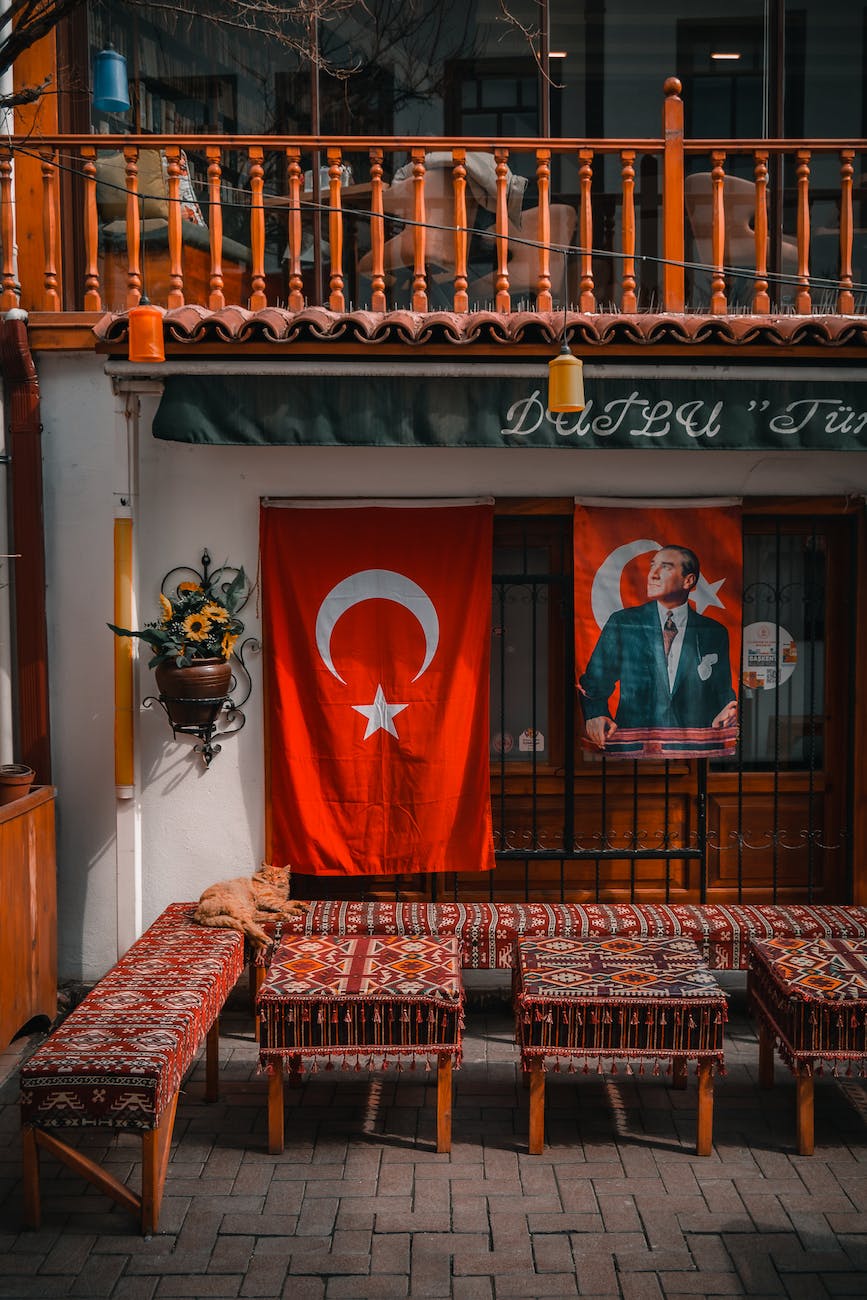
Welcome to a captivating journey through the transformative century of Turkey, led by the visionary Mustafa Kemal Atatürk. Over the next few sections, we will unravel the historical, political, and cultural changes that have molded modern Turkey. Atatürk’s legacy continues to shape the nation’s identity and its place on the global stage. Join us as we explore this remarkable odyssey through time.
The Birth of a Nation: The Ottoman Empire’s Fall and Turkey’s Rise This section sets the historical context for Atatürk’s leadership, exploring the circumstances that led to the end of the Ottoman Empire and the establishment of the Republic of Turkey in 1923. We will discuss the significance of this pivotal moment in Turkish history and how it marked the birth of a new nation. The collapse of the Ottoman Empire and the subsequent rise of Turkey under Atatürk’s leadership laid the foundation for the modern Turkish state. We will provide a detailed account of the events and changes that characterized this historic period, highlighting the enduring significance of these formative years in Turkey’s history.
Atatürk’s Reforms: The Path to Modernization Atatürk’s comprehensive reforms were the bedrock of modern Turkey. This section takes an extensive look at the transformative changes he introduced, setting Turkey on the path to modernization. We will delve into key reforms, such as the abolition of the Ottoman Sultanate and Caliphate, the introduction of a new legal code, and the promotion of secularism in governance and public life. These reforms laid the groundwork for the establishment of the Turkish Republic and continue to shape the nation’s political and social landscape. We will discuss how these reforms have shaped Turkey’s modern institutions, legal system, and political framework.
Balancing Secularism and Religion: Atatürk’s Delicate Approach One of Atatürk’s most delicate challenges was striking the right balance between secularism and religion. In this section, we will explore how he navigated this complex issue. We will delve into the policies and reforms he introduced to create a secular state while respecting religious freedoms. Notable among these reforms was the adoption of the Latin alphabet to enhance literacy and modernize Turkish written language. We will discuss the enduring legacy of his approach to secularism and religious tolerance, and how this balance continues to influence Turkish society’s relationship with faith and governance.
Women’s Rights: Atatürk’s Pioneering Efforts Atatürk was a pioneer in advocating for women’s rights. This section delves into the significant strides he made in promoting gender equality. We will explore how Atatürk encouraged women’s participation in various fields, from politics to education, and the impact of these efforts on Turkish society. His commitment to women’s rights remains an enduring aspect of Turkey’s social and political landscape, as women continue to play a vital role in all sectors of Turkish society. We will also discuss how Turkey’s legal framework and societal attitudes continue to evolve, reflecting Atatürk’s progressive stance on gender equality.
The Educational Revolution: Shaping Minds and Building a Nation Atatürk recognized that education was essential to nation-building. In this section, we explore his dedication to education and how it led to the establishment of modern schools and universities. We will discuss how these institutions played a pivotal role in shaping the minds of the Turkish population and fostering a sense of national identity. Furthermore, we will examine the evolution of Turkey’s education system and how it continues to be a cornerstone of the country’s development, producing skilled professionals and contributing to its intellectual and technological advancements.
Economic Development: The Path to Prosperity Economic development was a crucial element of Atatürk’s vision for Turkey. This section delves into the economic policies and development strategies implemented during his leadership, which laid the foundation for Turkey’s modern economy. We will examine how Atatürk’s emphasis on industrialization and infrastructure development paved the way for Turkey’s economic prosperity. His legacy in the economic sphere is reflected in Turkey’s continued commitment to economic growth, innovation, and global economic engagement. We will also discuss how Turkey’s economic achievements have contributed to its regional and global standing.
Cultural Renaissance: Nurturing Arts and Identity Atatürk was not just a political and military leader; he was also a patron of the arts and culture. This section takes an in-depth look at how Atatürk’s policies nurtured the arts and contributed to shaping Turkey’s cultural identity. We will explore the cultural revival that his leadership catalyzed, including advancements in literature, music, and visual arts. Atatürk’s support for cultural expressions that embraced Turkish traditions while embracing modernity remains an important part of Turkey’s artistic landscape. We will discuss how contemporary Turkish art, music, and literature continue to draw inspiration from this cultural renaissance initiated by Atatürk.
Legacy and Commemoration: Honoring Atatürk’s Memory The legacy of Mustafa Kemal Atatürk remains an integral part of Turkish national identity. This section explores how Atatürk is remembered and honored in modern Turkey. We will discuss the cultural significance of Anıtkabir, Atatürk’s mausoleum in Ankara, and the profound symbolism it holds for the nation. Additionally, we’ll delve into the annual observance of November 10th as Atatürk Memorial Day, a day of remembrance and reflection. We’ll also examine how Atatürk’s memory continues to be celebrated through various ceremonies and events across the country, reinforcing his enduring influence on Turkish society.
Turkey’s Global Impact: Atatürk’s Influence on the World Stage Atatürk’s influence extended far beyond Turkey’s borders. This section explores how Turkey, under his guidance, played a significant role on the international stage. We will discuss Turkey’s involvement in global diplomacy and international organizations during Atatürk’s leadership, shedding light on the nation’s contributions to global affairs. We will analyze how Atatürk’s diplomatic initiatives and his modernizing vision positioned Turkey as a key player in the evolving world order. Additionally, we’ll examine how Turkey continues to engage with the world and address current global challenges, all while upholding the values and principles set forth by Atatürk.
Looking Forward: Atatürk’s Vision in the Modern Era In this section, we turn our gaze to the present and future, exploring how Atatürk’s visionary ideas and principles continue to shape and influence modern-day Turkey. Atatürk’s vision was not limited to his own time; it transcends eras, and we will delve into how his legacy remains relevant and impactful today. His commitment to secularism, education, and modernization still resonates in contemporary Turkey, and his principles are a guiding force for the nation as it adapts to the challenges of the modern world. We will consider how his forward-thinking perspective informs Turkey’s stance on issues such as governance, cultural preservation, and global engagement, and what it means for Turkey’s ongoing journey.
In conclusion, the enduring legacy of Mustafa Kemal Atatürk remains an essential part of Turkey’s identity. His pioneering reforms, cultural revival, and commitment to education and gender equality have set Turkey on a path of progress and prosperity. As Turkey looks to the future, Atatürk’s vision continues to guide the nation, ensuring that the spirit of innovation and transformation endures in the modern era. Thank you for joining us on this exploration of Atatürk’s influence and Turkey’s remarkable journey.
 rtnews